OpenClaw: Practical AI agents without the usual ceremony
There is a lot of noise around AI agents right now. Most of it falls into one of two camps: overhyped demos, or enterprise-heavy setups that make experimentation feel much harder than it needs to be. OpenClaw sits in a much more useful middle ground.
It gives you a practical way to build and run agent workflows that can operate across tools, sessions and messaging surfaces without turning the whole exercise into a platform project before the real work even starts.
Why OpenClaw is interesting
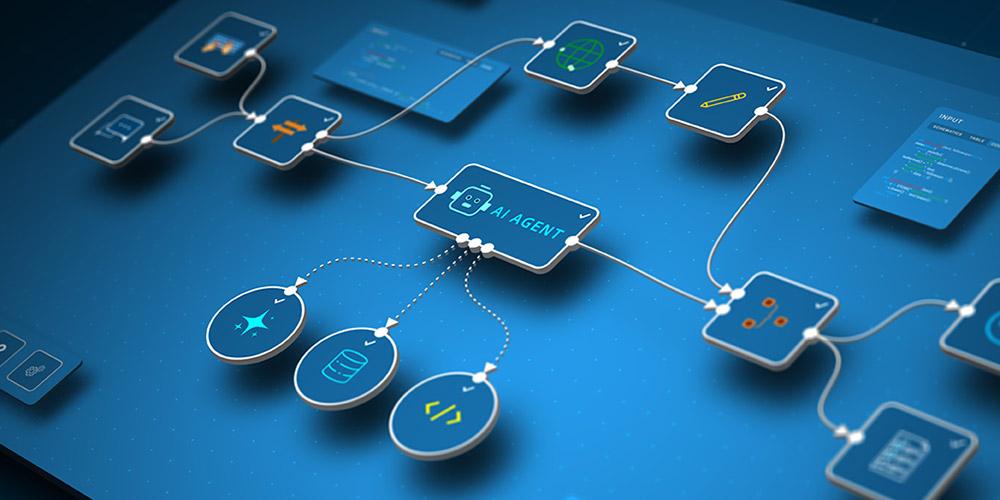
What makes OpenClaw stand out is not just that it can call tools. Lots of systems can do that. The more interesting part is the way it ties together messaging, sub-agents, memory, browser control and real operational context in a way that feels immediately usable.
That matters because most commercially useful AI systems are not single prompts. They are small workflows: review something, fetch context, make a decision, write a draft, ask for approval, then continue. The best agent setups support that rhythm cleanly.
Where it fits best
OpenClaw is particularly strong when you want AI to live closer to real work rather than in a separate lab environment. That can mean internal assistants, operational automations, content workflows, support tooling or product experiments that need access to tools and state.
- Teams exploring agent-based workflows without wanting huge infrastructure overhead.
- Businesses that want AI available inside messaging channels and operational processes.
- Founders and product teams testing where useful AI assistance can create real leverage.
- Technical teams that need controllable tools, browser actions and session-based workflows.
The practical advantage
A lot of AI tooling is impressive in isolation but awkward in context. OpenClaw is more compelling when you look at the operational details: structured tool use, session orchestration, memory hooks and the ability to work through channels people already use.
That makes it a strong fit for the kind of AI work that actually gets adopted. Not theatre. Not a one-off prototype. Something that can sit inside a team’s real workflow and keep being useful.
A good example of grounded AI delivery
From a services point of view, tools like OpenClaw are a good reminder that the value in AI is rarely the model alone. The value comes from shaping the workflow around the model: what it can access, how it asks for approval, what context it retains and how safely it operates.
That is where sensible AI product work lives. In the system design, the constraints, the orchestration and the judgment about where automation genuinely helps.
Get In Touch
If you are exploring agent workflows, internal AI tooling or practical automation and want help shaping something commercially useful, please get in touch.
Related Articles
Prompt engineering is fading. Context engineering is the real work now.