What makes a useful AI agent system? Lessons from using OpenClaw
There is no shortage of AI agent systems that look impressive in a demo. The harder question is what makes one genuinely useful over time. An agent that can do a surprising thing once is not automatically a system that belongs inside a team, a workflow or a product.
Using OpenClaw is a good reminder that usefulness comes less from novelty and more from structure. The best agent systems fit real work, keep enough context to act sensibly and make it easy to combine AI capability with human oversight.
Useful agents need context
An agent is only as useful as the context it can work with. That means relevant memory, access to the right tools, understanding of the task boundary and enough state to avoid starting from zero every time. OpenClaw is strong here because it is designed around sessions, tools, memory and communication.
Tool access matters more than personality
A lot of agent evaluation still focuses on how smooth the conversation feels. That matters, but not as much as whether the system can actually do anything useful. In practice, a strong agent is one that can read, fetch, route, write, check, ask for approval and continue.
- Useful agents can take action, not just describe action.
- Useful agents respect permissions and approval boundaries.
- Useful agents keep enough context to avoid wasting time.
- Useful agents fit into tools and channels people already use.
Reliability beats magic
The systems that earn trust are not the ones that feel magical for five minutes. They are the ones that are dependable, understandable and shaped around real operating constraints. That is one of the reasons OpenClaw is interesting: it supports agent design that can survive contact with real work.
The bigger lesson for businesses
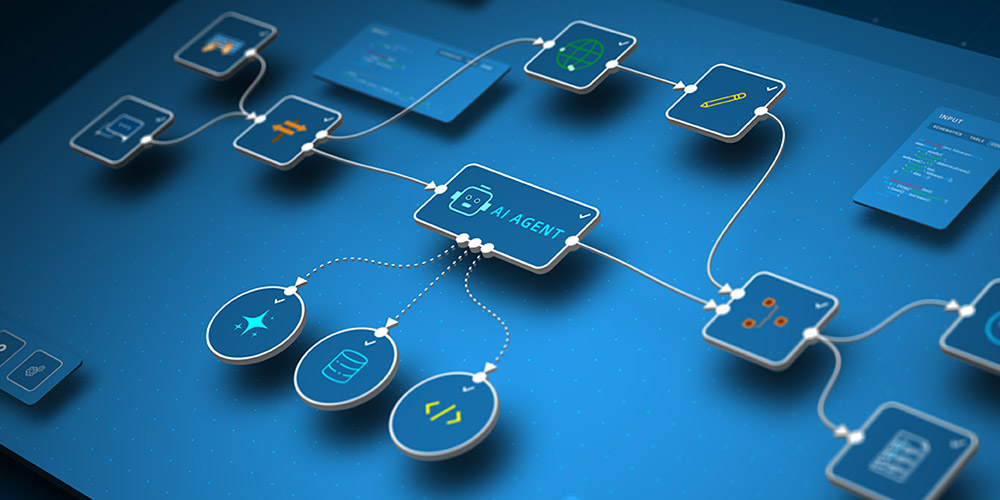
A useful AI agent system is really a workflow system with intelligence inside it. The model matters, but the commercial value usually comes from orchestration: what the agent can access, how it behaves, when it asks permission and how safely it fits into a broader process.
Get In Touch
If you are evaluating AI agents, internal assistants or automation systems and want a more grounded view of what actually becomes useful, please get in touch.
Related Articles
Prompt engineering is fading. Context engineering is the real work now.